Solar

solar energy

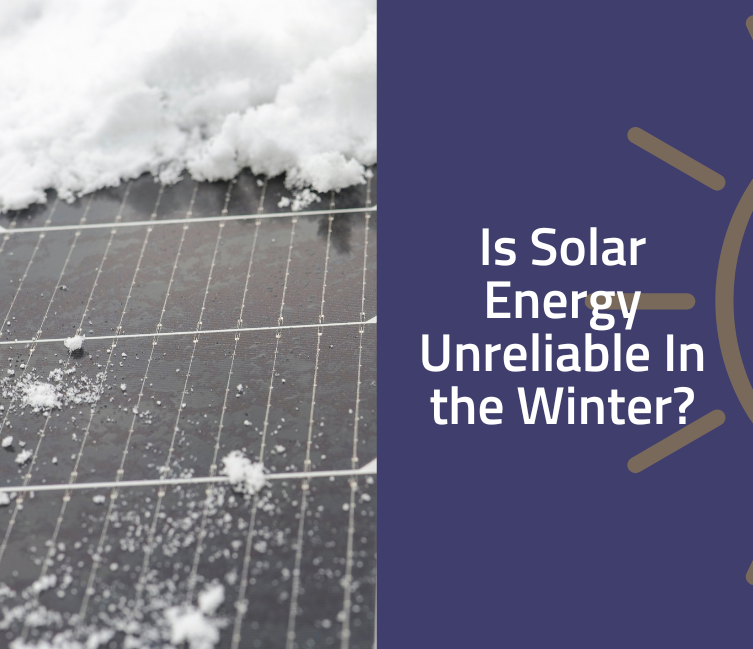
Is Solar Energy Unreliable In the Winter?

Even though it has been demonstrated and documented that solar panels can produce energy to fulfill people’s daily activities during the winter months, the frequent grid alerts Albertans receive when they’re facing below-freezing temperatures make the public wonder if they can rely on solar panels and other forms of renewable energy to relieve the pressure on the electrical grid and avoid rotating outages when they need electricity the most to keep themselves warm. We will outline the factors that determine solar energy production and panels’ performance during the winter and explain why solar adoption can give the electrical grid the stability it needs in extreme cold temperatures. The Elements Behind Solar Energy Production During the Winter 1 – Sunlight Duration Winter days are shorter, translating into less sunlight for solar panels to generate electricity. Additionally, the sun is often lower in the sky during the winter months, reducing the intensity of the sunlight. However, Alberta enjoys over 312 sunny days a year, and the shorter winter days still provide enough sunlight to produce energy with solar panels. 2 – Snow Snow cover can slightly reduce the amount of sunlight reaching solar panels, as a five-year study conducted by NAIT showed that snow build-up will reduce a system’s yearly output by a mere 3%. 3 – Temperature This may sound counterintuitive, but solar panels tend to perform better in cooler temperatures rather than scorching summer temperatures due to the silicon material the panels are made of and work as a semiconductor, which has better conductivity and less energy loss in cold weather conditions, allowing the panels to produce energy more efficiently.  4 – Angle of Incidence  The angle at which sun rays hit the solar panels (known as the angle of incidence) can affect their efficiency depending on the season. In the winter, the sun is often at a lower angle, which may not be optimal for some solar panel installations. However, professional installers consider angle tilt and ensure that sun incidence fluctuations throughout the year won’t affect the system’s performance.  Why Solar Adoption Supports the Electrical Grid While adopting solar energy is often seen as a personal choice to reduce carbon footprint or lower electricity bills, its impact extends far beyond individual households. In fact, integrating solar power into the broader electrical grid offers many attractive benefits:  1 – Reduced Peak Demand Hours Solar energy production often coincides with periods of high electricity demand, particularly during daylight hours when people are awake and using electrical appliances. By supplying electricity during these peak hours, solar energy reduces the strain on the grid, helping to stabilize the system and avoid blackouts or brownouts. 2 – Localized Generation and Distributed Energy Solar systems can be placed on rooftops or in distributed arrays across communities, generating electricity near where it’s consumed. This distributed generation model reduces the need for long-distance electricity transmission, minimizing transmission losses and improving overall grid efficiency. 3 – Peak Shaving Solar energy can help “shave” peak demand by supplying the excess energy microgenerators produce as additional electricity, especially during periods of high demand, hence reducing the need to rely on expensive peaking power plants or grid upgrades and improving grid stability and efficiency. 4 – Diversification of Energy Sources Alberta’s government has implemented policies such as the Renewable Electricity Program to encourage the development of renewable energy projects and reduce reliance on fossil fuels. As it stands now though, the province’s electricity generation mix still depends heavily on non-renewables.  Including more solar energy projects will help us reduce our carbon footprint, reach the province’s renewable energy capacity goals and result in a more resilient, sustainable, and efficient energy system. Solar Is Reliable No Matter the Season Solar energy is a dependable source that can power your home or business and contribute to electricity generation and grid stability during the winter. Innovations in solar technology, combined with proper system design and maintenance, can help mitigate any fluctuation in energy production your system may have during our below-zero days, so you can rest assured that you can count on your solar system all year round.

Solar Energy and Corporate Social Responsibility

Solar Energy and Corporate Social Responsibility: A Win-Win for Businesses

Business activities in the modern world go beyond profit generation, and the general public expects businesses to engage in socially responsible practices that demonstrate a sense of responsibility, ethical behaviour and care for the community in which they do business.  A business can give back to its community in many ways, but incorporating solar energy into its operations is a significant step toward enhancing Corporate Social Responsibility (CSR.) We will discuss the link between solar energy and Corporate Social Responsibility and how we at Solar YYC choose to give back to our community as a solar energy business. Why Solar Energy and Corporate Social Responsibility Is a Win-Win for Businesses Reduced Carbon Footprint and Regulatory Compliance With the Government’s goal of becoming a net-zero emissions country by 2050, companies have a significant role to play in achieving this result and going solar is one of the best ways to contribute to this effort, as it significantly reduces a businesses’ reliance on traditional energy sources, consequently lowering their greenhouse gas emissions, reducing their carbon footprint, and showcasing their commitment to compliance and responsible business practices. Positive Public Perception  A business’s image plays a significant role in its success. The general public’s increase in awareness towards environmental issues has made them pay special attention to the way companies they support power their operations, as a recent customer study showed that consumers’ demand for products from brands known for their efforts towards sustainability has increased with a 56% of offer growth in five years. Companies that adopt solar energy or other environmentally-friendly practices to show their commitment to sustainability are more prone to have an overall positive brand image, increased customer loyalty and a higher expenditure per purchase, as eco-conscious buyers are inclined to pay more for products and services from companies that align with their values. Employee Engagement Like consumers, employees, especially Millennials and Gen Z workers, increasingly value working for socially responsible companies. By incorporating solar energy, businesses can enhance employee satisfaction by demonstrating a commitment to environmental and sustainability practices. Educational Initiatives One of the ways to combine CSR and solar energy adoption to strengthen a business relationship with its community is to implement educational programs to raise awareness among employees and the local community about the benefits of solar energy. This can include workshops, seminars, or informational campaigns to foster a culture of sustainability.  Partnerships and Collaborations Businesses can strengthen their CSR efforts by partnering with environmental organizations or participating in green initiatives related to solar energy awareness or other ecological endeavours. Collaborative efforts can amplify the positive impact sustainability practices and open the door to future business opportunities. Investor Relations Many investors are increasingly considering environmental and social factors in their investment decisions. As reported by the Harvard Business Review, companies with strong CSR practices may attract a broader investor base, including those focusing on sustainability and ethical investing. How Solar YYC Gives Back The solar industry has been booming in recent years, and we wanted to share our success by donating a portion of our revenue to a charity that resonated with our team’s values. We chose to work with I Can for Kids, a non-profit that supports and empowers children and families facing food insecurity by donating grocery store gift cards and helping them shop for the groceries they need when and how they see fit. We already have donated over $40,000 and are sure we and our clients will surpass this amount in 2024. If you want to know more about I Can for Kids and their fantastic work, check out their website or contact them via email. Take the First Step Whether you run a solar-related business or not, you can contribute to your community’s growth and well-being and share your company’s accomplishments by committing to sustainable practices. If every business thinks about how they can contribute to a better future, we can make a difference for the current and next generations.

solar panels

The Industries That Will Benefit the Most From Solar Panels

In our last blog of 2023, we outlined the main benefits businesses can have from getting solar panels to power their operations, and while we believe any business can gain significant advantages with solar energy, some industries can get the most return on their investment. We want to kick off 2024 by discussing the industries we see benefitting the most from going solar and why. The Industries That Get More Bank From Switching to Solar Manufacturing and Heavy Industries Manufacturing and industrial operations often have high energy demands, with many operating 24/7. Solar panels can help offset electricity costs, providing long-term savings and improving the sustainability profile of these businesses, typically known for being among Canada’s most polluting business activities. Solar also provides stability in energy costs, mitigating the impact of fluctuating electricity prices. This predictability can be especially advantageous for budgeting and financial planning. Warehouses and Distribution Centers Large warehouses and distribution centres are another industry sector with a 24/7 schedule that can benefit from solar power to offset the energy required for lighting, heating, and powering machinery.  Warehouses and distribution centres that supply goods to retailers may find that adopting solar energy aligns with the sustainability requirements of their retail partners, which can give them a competitive advantage in the supply chain. Farms and Agriculture Farms, especially those with large expanses of land, can benefit from solar to meet their energy needs beyond the cost savings. Solar panels can be installed on open fields or integrated into agricultural structures, providing a scenario that optimizes land utilization, potentially reduces electricity costs for running equipment and irrigation systems, and preserves the water in the soil due to the panels’ shading, leading to potentially growing better crops. Solar power also allows farms in remote or off-grid locations to operate independently of traditional power infrastructure. This can be crucial for agricultural operations in rural areas, which can find a reliable and sustainable energy source in solar energy.  Hospitals and Healthcare Facilities Healthcare facilities have continuous energy needs for lighting, medical equipment and procedures, and climate control. Solar panels can help these facilities become more resilient and efficient by providing a backup energy source and reducing reliance on the grid, giving an extra layer of protection against prolonged power shortages, which can be death-threatening for patients and cause psychological stress and physical exhaustion to healthcare staff.  Hotels, Resorts and Hospitality The hospitality business is another with high-energy demand for lighting, heating, cooling, and other operational needs that is already switching to solar. Big names like Marriott already have some of their hotels 100% powered by solar energy. The Courtyard by Marriott in Lancaster, Pennsylvania, is the brand’s first 100% solar-powered hotel and has an array of 2,700 panels that produce enough energy to power 138 homes for a year. (Marriott) Adopting solar energy can allow hotels and resorts to not only reduce costs and be more efficient overall; it can also provide them with an enhanced corporate image and appeal to environmentally conscious travelers, potentially attracting a broader customer base by using their solar energy adoption as a selling point that can set them apart from the competition. Data Centers Tech industry titans like Apple and Facebook use solar energy to power their data centres for a good reason: these are energy-intensive facilities that require a reliable electrical supply for all their daily operations. Solar panels can be part of a comprehensive energy strategy to offset some of the power needed to operate servers and cooling systems, reducing operational costs and environmental impact. A Win Scenario With proven benefits and efficiency, going solar is a wise business decision whether you’re a small business owner or run a large corporation. For industries with high energy demands like the ones we discussed, solar energy is rapidly becoming a necessity rather than a choice. If you want to reap the financial and corporate benefits of adopting solar energy for your business and you operate in Alberta, contact us for a free consultation.