Solar

agrivoltaics

Agrivoltaics: The Benefits of Combining Solar Panels and Farming

The quest for sustainable solutions to our energy and agricultural needs leads to the constant search for innovative ways of producing food while keeping the environmental disruption minimal. One of these innovations is Agrivoltaics, the practice of co-locating agricultural activities and solar systems on the same land area.  Although Agrivoltaics is a concept that has been around since 1982, it’s only in recent years that it has gained recognition due to its benefits for the agricultural industry, small farms, rural communities, and the environment. Let’s explore how combining solar panels with farming is a win-win. 7 Ways Agrivoltaics Can Improve Farming 1 – Land Use Optimization Land use optimization is crucial in agriculture for many reasons, including productivity, food security for an ever-growing global population, preserving natural resources and the quality of life of the surrounding communities. Implementing Agrivoltaics allows for dual land use, maximizing the efficiency of the land by producing both solar energy and agricultural products. This is particularly advantageous in regions where land availability is limited or expensive.  2 – Increased Crop Yields Studies have shown that shading provided by solar panels can moderate temperature extremes, reduce water evaporation from the soil, and protect plants from excess sun, wind, and hail, leading to improved crop yields and quality. Certain crops, like lettuce, spinach, and broccoli, thrive in the cooler microclimate created by solar panels. 3 – Drought Effects Mitigation The shading effect of solar panels also helps reduce water evaporation from the soil, which can mitigate the impact of drought conditions on crops and preserve soil quality by helping retain its moisture, which also reduces water usage. This is especially helpful for arid or semi-arid regions where water scarcity is a concern. 4 – Energy Diversification for Farmers Integrating solar panels into farms provides an additional revenue stream for farmers (especially small farms) through the excess energy the panels produce. This diversification can help stabilize farm incomes, especially during fluctuating crop prices or unpredictable weather conditions, reducing financial risk and improving their economic resilience. 5 – Reduced Energy Costs Of course, one of the main benefits of Agrivoltaics is reducing farms’ dependence on the grid,  reducing their energy expenses and increasing their energy independence. Another financial benefit for Alberta working farmers is that solar equipment is considered a business expense and is fully deductible from year-end taxes. 6 – Community Support Agrivoltaics projects often involve collaboration and engagement with local communities, including the farmers, residents, other local businesses, and government or private stakeholders.  Community input is sought during the planning and implementation stages of agrivoltaics projects, fostering a sense of ownership and participation in the decision-making process. This community involvement and the fact that this practice enhances agricultural production contributes to greater acceptance and support for agrivoltaics initiatives. 7 – Research Opportunities Agrivoltaics offers a platform for researching critical sustainability topics like optimizing land use, crop productivity, and solar panel efficiency. This research can lead to innovations in agriculture and renewable energy technologies, benefiting society as a whole. A Promising Practice The potential positive impact of Agrivoltaics if the adoption of this way of farming increases is immense. By harnessing the sun’s power alongside traditional farming practices, agrivoltaics projects can contribute to a more sustainable future, food security, and local communities’ well-being and resilience.  If you are an Albertan farmer and want to implement Agrivoltaics, our specialists can install a ground mount solar system that suits your working land. Contact us for a free estimate of your project and how much money you could save in bills.

solar energy

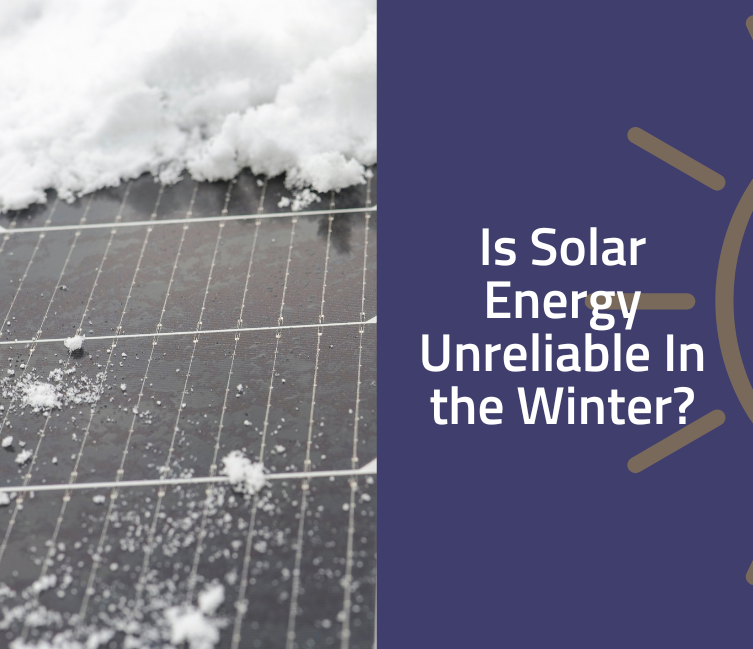
Is Solar Energy Unreliable In the Winter?

Even though it has been demonstrated and documented that solar panels can produce energy to fulfill people’s daily activities during the winter months, the frequent grid alerts Albertans receive when they’re facing below-freezing temperatures make the public wonder if they can rely on solar panels and other forms of renewable energy to relieve the pressure on the electrical grid and avoid rotating outages when they need electricity the most to keep themselves warm. We will outline the factors that determine solar energy production and panels’ performance during the winter and explain why solar adoption can give the electrical grid the stability it needs in extreme cold temperatures. The Elements Behind Solar Energy Production During the Winter 1 – Sunlight Duration Winter days are shorter, translating into less sunlight for solar panels to generate electricity. Additionally, the sun is often lower in the sky during the winter months, reducing the intensity of the sunlight. However, Alberta enjoys over 312 sunny days a year, and the shorter winter days still provide enough sunlight to produce energy with solar panels. 2 – Snow Snow cover can slightly reduce the amount of sunlight reaching solar panels, as a five-year study conducted by NAIT showed that snow build-up will reduce a system’s yearly output by a mere 3%. 3 – Temperature This may sound counterintuitive, but solar panels tend to perform better in cooler temperatures rather than scorching summer temperatures due to the silicon material the panels are made of and work as a semiconductor, which has better conductivity and less energy loss in cold weather conditions, allowing the panels to produce energy more efficiently.  4 – Angle of Incidence  The angle at which sun rays hit the solar panels (known as the angle of incidence) can affect their efficiency depending on the season. In the winter, the sun is often at a lower angle, which may not be optimal for some solar panel installations. However, professional installers consider angle tilt and ensure that sun incidence fluctuations throughout the year won’t affect the system’s performance.  Why Solar Adoption Supports the Electrical Grid While adopting solar energy is often seen as a personal choice to reduce carbon footprint or lower electricity bills, its impact extends far beyond individual households. In fact, integrating solar power into the broader electrical grid offers many attractive benefits:  1 – Reduced Peak Demand Hours Solar energy production often coincides with periods of high electricity demand, particularly during daylight hours when people are awake and using electrical appliances. By supplying electricity during these peak hours, solar energy reduces the strain on the grid, helping to stabilize the system and avoid blackouts or brownouts. 2 – Localized Generation and Distributed Energy Solar systems can be placed on rooftops or in distributed arrays across communities, generating electricity near where it’s consumed. This distributed generation model reduces the need for long-distance electricity transmission, minimizing transmission losses and improving overall grid efficiency. 3 – Peak Shaving Solar energy can help “shave” peak demand by supplying the excess energy microgenerators produce as additional electricity, especially during periods of high demand, hence reducing the need to rely on expensive peaking power plants or grid upgrades and improving grid stability and efficiency. 4 – Diversification of Energy Sources Alberta’s government has implemented policies such as the Renewable Electricity Program to encourage the development of renewable energy projects and reduce reliance on fossil fuels. As it stands now though, the province’s electricity generation mix still depends heavily on non-renewables.  Including more solar energy projects will help us reduce our carbon footprint, reach the province’s renewable energy capacity goals and result in a more resilient, sustainable, and efficient energy system. Solar Is Reliable No Matter the Season Solar energy is a dependable source that can power your home or business and contribute to electricity generation and grid stability during the winter. Innovations in solar technology, combined with proper system design and maintenance, can help mitigate any fluctuation in energy production your system may have during our below-zero days, so you can rest assured that you can count on your solar system all year round.